Wolf Cut
Shaggy layers · rebel
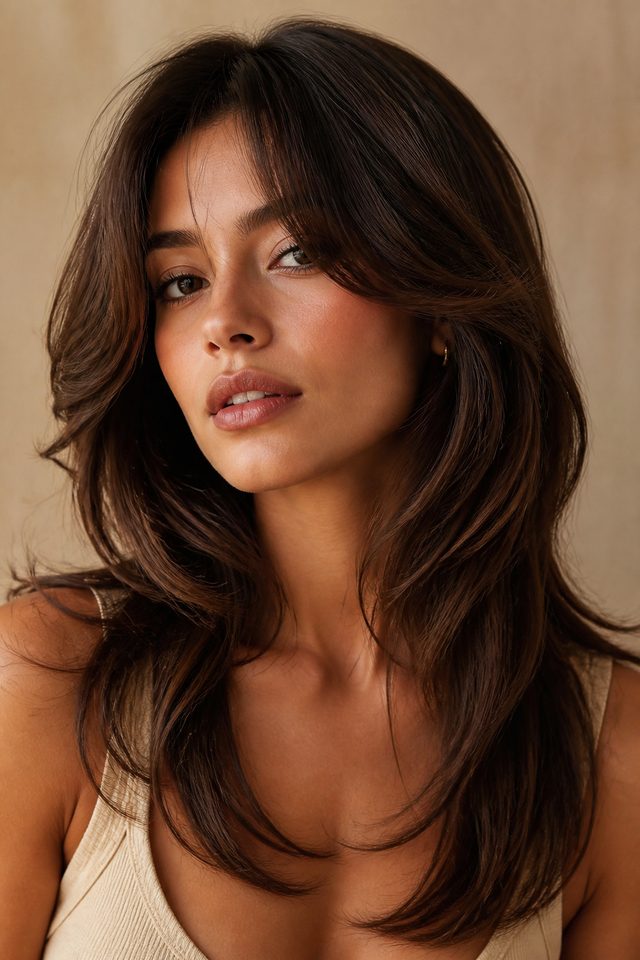
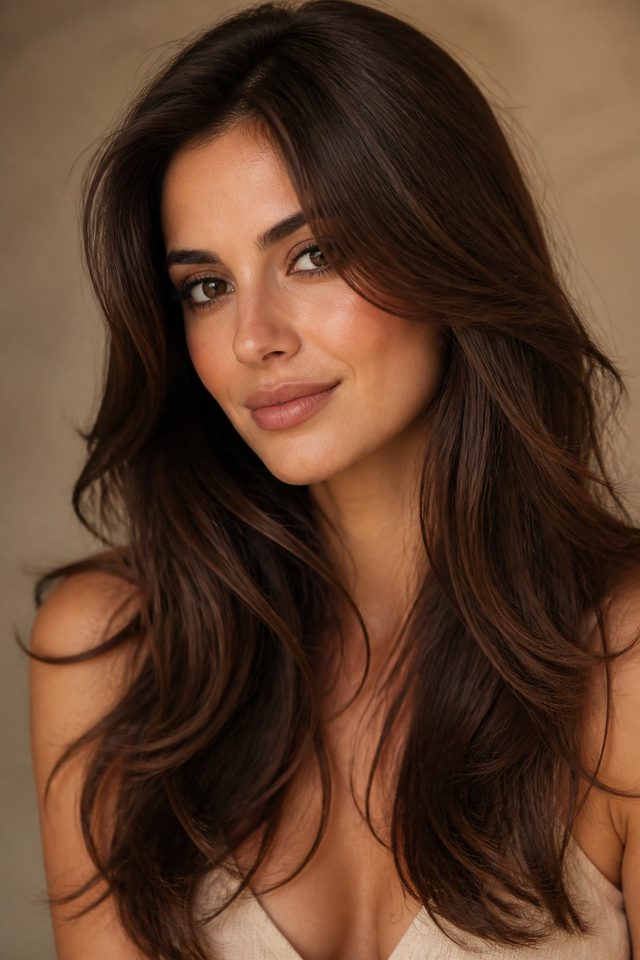
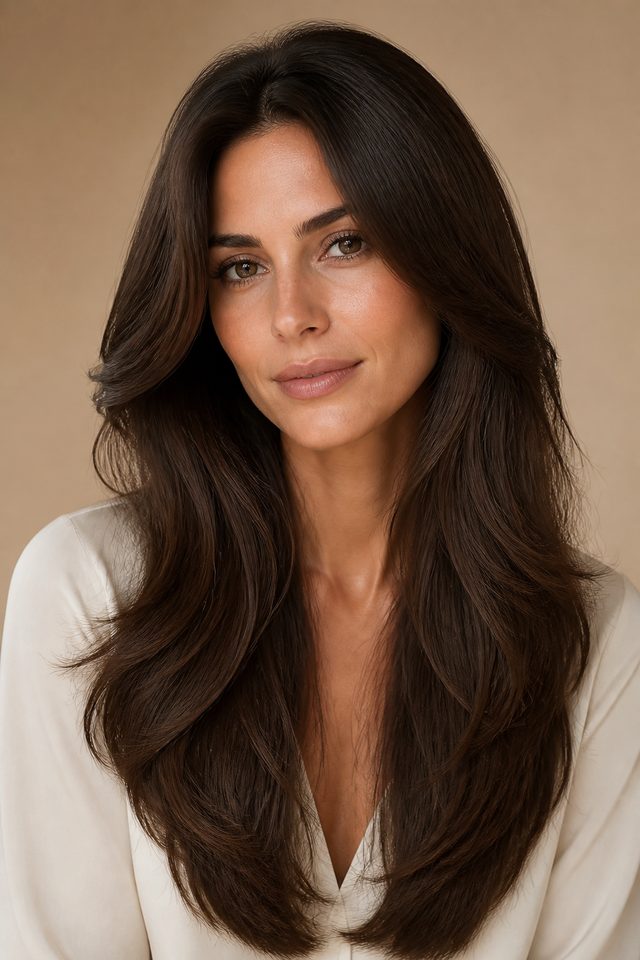
The wolf cut crosses a shag with a mullet: short, chopped layers stacked at the crown, thinning into longer, straggly lengths at the back. It's deliberately unpolished — big volume up top, undone below — and it lives or dies on texture.

Who it suits
Wavy hair, 2a to 3a, is the natural habitat — the choppy layers need bend to stack. Crown height flatters round and heart faces and adds structure to oval ones; very long faces should go easy on the top volume. Straight hair can wear it with daily texturizing, but it won't be wash-and-go.
The grown-out look is the look, so 8-10 weeks between cuts is fine. Straight hair changes the deal — expect daily salt spray or a wand to keep the layers piecey.
Wolf Cut — common questions
Does a wolf cut work on straight hair?
It can, but you become the texture. Straight hair shows the layer steps unless you add bend — a wand, a braid-set, or texture powder. If you won't style most days, ask for a softer shag instead; it forgives straightness better.
Is a wolf cut hard to grow out?
Middling. The top layers take about a year to rejoin the length, but because the cut is built on mess, the in-between stages look intentional. Regular dustings shape it into a shag, then long layers, as it grows.
Will a wolf cut thin out my hair?
It removes a lot of interior weight — that's how it gets the airy bottom. Thick hair feels lighter; medium hair keeps enough body. If your hair is already fine, the back can look sparse, so ask for a conservative version.